Status: awaiting committee decision. Below the title, every act the proposal would repeal or amend.
One proposal, many texts: it would repeal Regulation 2022/868 and amend the GDPR, NIS2, DORA and the Data Act.
A status in a slide ages in a week. The procedure file is the source.
Three obligations turned into architecture
Cloud switching. Foreign government access. Access to product data.
Case 01: the exit
Photo: Andrepaul, CC BY-SA 4.0, Wikimedia Commons
A data centre at Bissen, Luxembourg (LuxConnect): where a workload physically runs.
Photo: Derrick Coetzee, CC0, Wikimedia Commons
Racks and cables: the easy half of an exit is moving bytes; the hard half is everything wired around them.
Leaving your cloud provider should cost nothing
2027 01-1284 days from today
From this date, providers of data processing services may not impose switching charges on a customer who leaves.
Art. 29(1) · paraphrase
Until then, charges are capped at the provider's costs directly linked to the switching.
Art. 29(2) and (3)
The switching clock
Transition
30 days
maximum transitional period in the contract Art. 25(2)(a)
Notice
2 months
maximum notice period for the customer Art. 25(2)(d)
Parallel use
at cost
egress charges may only pass on costs incurred Art. 34
In parallelFinancial entities already owe exit strategies under DORA Art. 28(8). Same engineering, two legal drivers.
What "reversible" costs
Data is the easy half
Open, documented, machine-readable exports. Not a proprietary dump that only the vendor can restore.
Functions are the hard half
Managed queues, identity services and serverless runtimes rarely have an equivalent elsewhere.
The runbook must be tested
An exit plan never executed is a document, not a capability. Rehearse it yearly on one workload.
Observability is the blind spot
Dashboards, alert rules, traces and retention live in the provider's tooling. You arrive blind.
If the contract ended in ninety days, what could we not rebuild?
Data Act Art. 30 functional equivalence (infrastructure services) and open interfaces
Case 02: the order from abroad
Photo: Alexander Klink, CC BY 3.0, Wikimedia Commons
A hardware security module (nCipher nShield F3): the keys live here, not in the application.
A court in a third country orders a provider to hand over non-personal data stored in the EU.
Whether the provider can comply depends less on where the data sits than on who holds the keys.
When a foreign authority asks for EU data
The text Art. 32
Providers must take technical, organisational and legal measures to prevent transfer of, or governmental access to, non-personal data held in the Union where it would conflict with EU or national law.
A foreign order is enforceable only on the basis of an international agreement, or after a reasoned, proportionate and reviewable process.
The system 4 controls
Key custody outside the provider's reach
A map of every entity and person that can be compelled
A documented refusal and escalation procedure
A log of every request received, and of the answer
Where are your keys, and who can be compelled to hand them over?
Sovereignty is a chain of control, not a map
Layer
What decides it
L1
The parent company
Ownership reaches across borders. An EU subsidiary may still answer to a group decision.
L2
The operating entity
Which legal person signs the contract, and under whose law it can be ordered to act.
L3
The privileged staff
Administrators have passports and employers. Compulsion reaches people, not data centres.
L4
The infrastructure
Where the bytes rest. The layer everyone discusses, and the weakest guarantee of the five.
L5
The keys
If the provider can decrypt, it can be ordered to. Custody, not location, is the control.
A reading aid, not legal advice. A real assessment needs the contract, the group structure and counsel in both jurisdictions.
Case 03: the tractor's data
Photo: Sanzzu, CC BY-SA 4.0, Wikimedia Commons
A tractor at work: engine hours, positions, yields, all logged by the machine.
The farmer wants her machine's data sent to an independent agronomist.
The manufacturer must make it possible, securely, for a recipient it did not choose.
The EU has mandated a feature
The text Art. 3 to 5
Connected products must be designed so that the data they generate is accessible to the user, easily, securely and, where relevant and technically feasible, directly.
On request, the data holder makes it available to the user, or to a third party the user names.
The system 4 components
An authenticated read path into telemetry that used to be internal
A delegation flow to recipients you did not choose
Field-level filtering for trade secrets
Rate limits on a public, mandated endpoint
Access by design applies to products placed on the market after 2026-09-12Art. 3(1)Art. 50.
The new right, and the old attack
The text creates
The system gets
The failure you already know
A user right to product data
An authenticated read path into internal telemetry
Broken object-level authorisation: ask for record 1042, get 1041
Sharing with a third party
A delegation flow with tokens and an unvetted recipient
Consent phishing: the OAuth grant to a hostile app
Proof that the user is the user
A binding between a person and a resold, shared device
Social engineering of the request, as seen under the GDPR
Protection of trade secrets
Filtering between what is owed and what is confidential
Over-disclosure: an export never reviewed field by field
Availability of access
A public endpoint on an industrial fleet
Denial of service on a system with no spare capacity
Where it breaks in production
Not the law. The implementation.
Four things that fail before lawyers are involved
01 · Identity
The right belongs to the user. Systems know accounts, serial numbers and contracts, not people across resale and leasing.
02 · Evidence
What did you disclose, to whom, when, on which basis? Thirty-day log retention cannot answer.
03 · Quality
Internal telemetry tolerates gaps and drifting clocks. Once it leaves the building, a gap becomes a dispute.
04 · The boundary
These texts mostly govern non-personal data; the GDPR, personal data. A machine ID plus a timestamp often identifies a person.
When machine data becomes personal data
Photo: GillyBerlin, CC BY 2.0, Wikimedia Commons
Robots on an assembly line (Ford, Cologne). Each one logs its cycles, stops and faults.
A vibration reading is non-personal data.
The same reading, with a machine ID and a timestamp, on a line run by one named technician, tells you when that person arrived, paused and left.
Classify per field, record the decision, re-examine it when the schema changes.
Data Act Art. 1(2) personal and non-personal data · Art. 1(5) the GDPR prevails
The adjacent regimes ask the same question
Text
What it asks the platform for
Cite
GDPR2016/679
Records of processing; breach notified to the authority within 72 hours where feasible
Art. 30Art. 33
NIS22022/2555
Early warning within 24 hours, notification within 72 hours, final report within a month
Art. 23(4)
DORA2022/2554
Register of ICT third-party arrangements; exit strategies
Art. 28(3)Art. 28(8)
AI Act2024/1689
High-risk systems log events automatically over their lifetime
Art. 12
Different triggers, different authorities, one shared need: an audit trail somebody designed before the question was asked.
The architect's conclusion
Under this regime, compliance is a telemetry problem.
A regulator does not ask whether you intended to comply. It asks you to show what happened. Showing what happened is observability, and observability was designed for engineers, not for evidence.
A production checklist
InventoryWhich product and service data exist, field by field, personal or not
Access pathAuthenticated, rate-limited, documented before sale
DelegationScoped, expiring, revocable grants to third parties
ExitOpen export formats, a rehearsed runbook, telemetry included
KeysWho holds them, who can be compelled, where requests are logged
EvidenceRetention long enough to answer the slowest regulator
Four common misreadings
Heard in the hallway
What the text says
"The Data Act is about personal data."
It covers personal and non-personal data, and leaves the GDPR untouched for personal data. Art. 1(2), 1(5)
"Free switching starts in 2027, nothing to do now."
Contract terms and the switching process apply since 2025-09-12; only the charges run until 2027. Art. 25, 29
"Data residency solves foreign access."
The text speaks of measures against access, not of location. Art. 32(1)
"The Omnibus already changed it."
A proposal is not law. 2025/0360(COD)
Three things to take out of this room
Read the obligation as a specification.For every article: who builds it, who operates it, who proves it ran?
Build capabilities, not article numbers.Identify your data, move it, prove who touched it. Those survive every rewrite.
Threat-model the rights, not only the system.A mandated access path is attack surface from the day it exists.
Your questions
Including the ones nobody can answer yet.
Law to engineering, a short glossary
The text says
An engineer hears
Where
Data holder
The party that controls the data and must serve the request
Data Act Art. 2(13)
Accessible by design
A requirement at product definition, not a late feature
Data Act Art. 3(1)
Functional equivalence
Same outcome on the target platform, after migration
Data Act Art. 30(1)
Structural separation
An isolation boundary you can demonstrate to an auditor
DGA Art. 12
Adequate measures
Controls, plus the evidence that they ran
Data Act Art. 32(1)
Four questions worth arguing about
01 If free switching mainly benefits providers large enough to absorb migration costs, has the EU increased competition or concentrated it?
02 Can any safeguard against foreign government access survive the fact that compulsion reaches people, not machines?
03 Does opening industrial data to users create more security risk than economic value? How would you measure either side?
04 If a regime is rewritten before it is fully implemented, is that regulatory agility or regulatory failure?
In Luxembourg: who supervises what
Text
Luxembourg
Authority
GDPR
Law of 1 August 2018
CNPD
DGA
Law of 19 December 2025
CNPD for intermediation and altruism
Data Act
Bill 8809, in committee
ILR; CNPD for personal data
NIS2
Law of 5 May 2026
ILR; CSSF for banking
AI Act
Bill 8476, in committee
CNPD by default
Screenshot of chd.lu, dossier 8809, 17 October 2026 · Chambre des Députés du Grand-Duché de Luxembourg
Bill 8809 at the Chambre des Députés: filed on 28 July 2026, still in committee.
Draft model terms and cloud clauses, 19.11.2025 · Cloud and AI Development Act, COM(2026) 502
Luxembourg
Law of 19.12.2025 (DGA) · bill 8809 (Data Act) · law of 5.5.2026 (NIS2) · chd.lu, legilux.public.lu
Photo: Pigranelle, CC0, Wikimedia Commons
The Official Journal, bound: the only authentic text, now online.
Presented in a personal capacity. Nothing here represents the position of any employer, and none of it is legal advice. Slides, notes and summary: sitraka.lu/teaching/eu-data-strategy/
Thank you.
Thank you to Roger Tafotie for the invitation, and to this class for an hour of attention.
Sitraka FORLER · lecturer, IAE Metz and Centrale Méditerranée · columnist, AGEFI Luxembourg
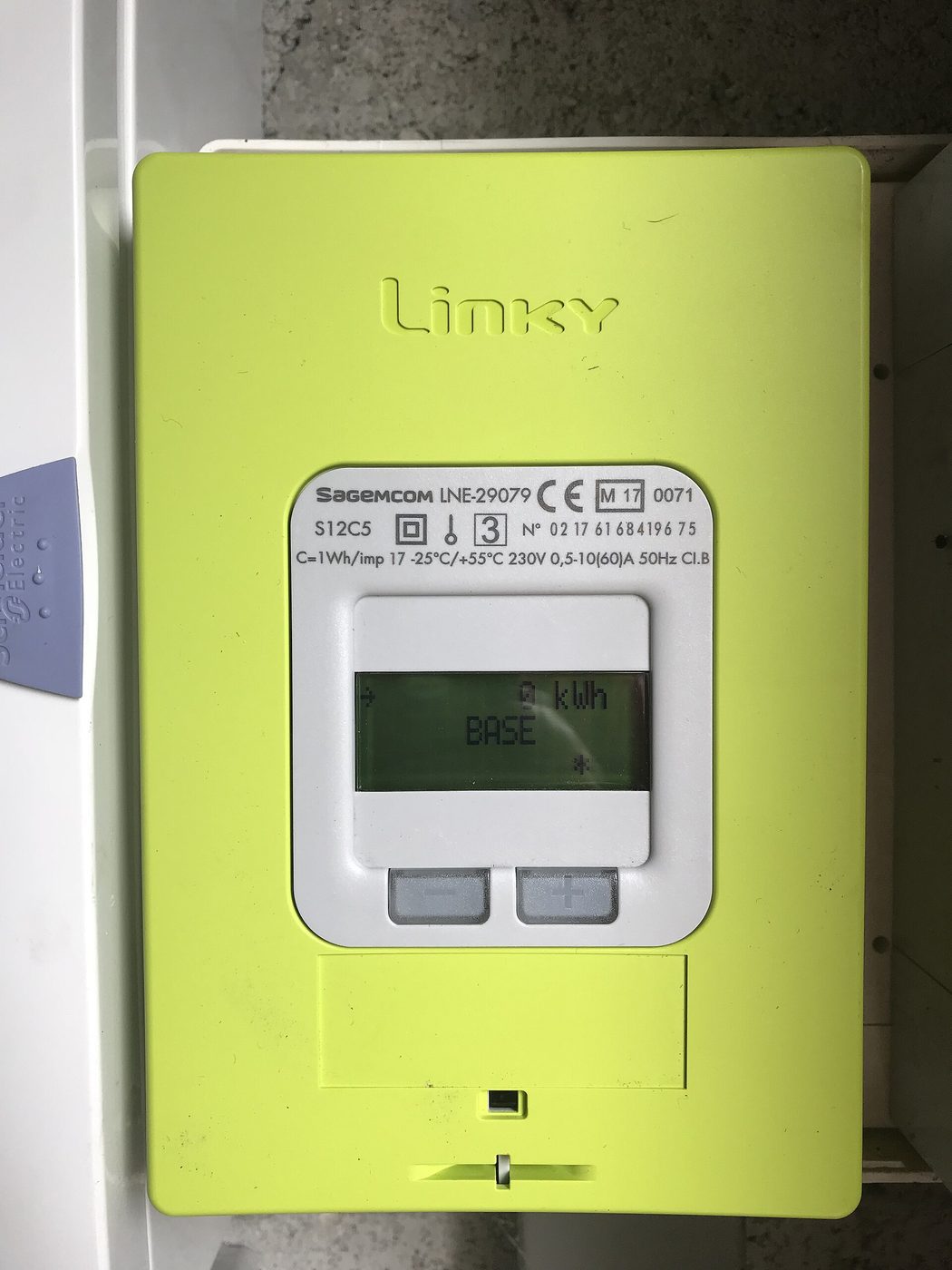 Photo: Benoît Prieur, CC0, Wikimedia Commons
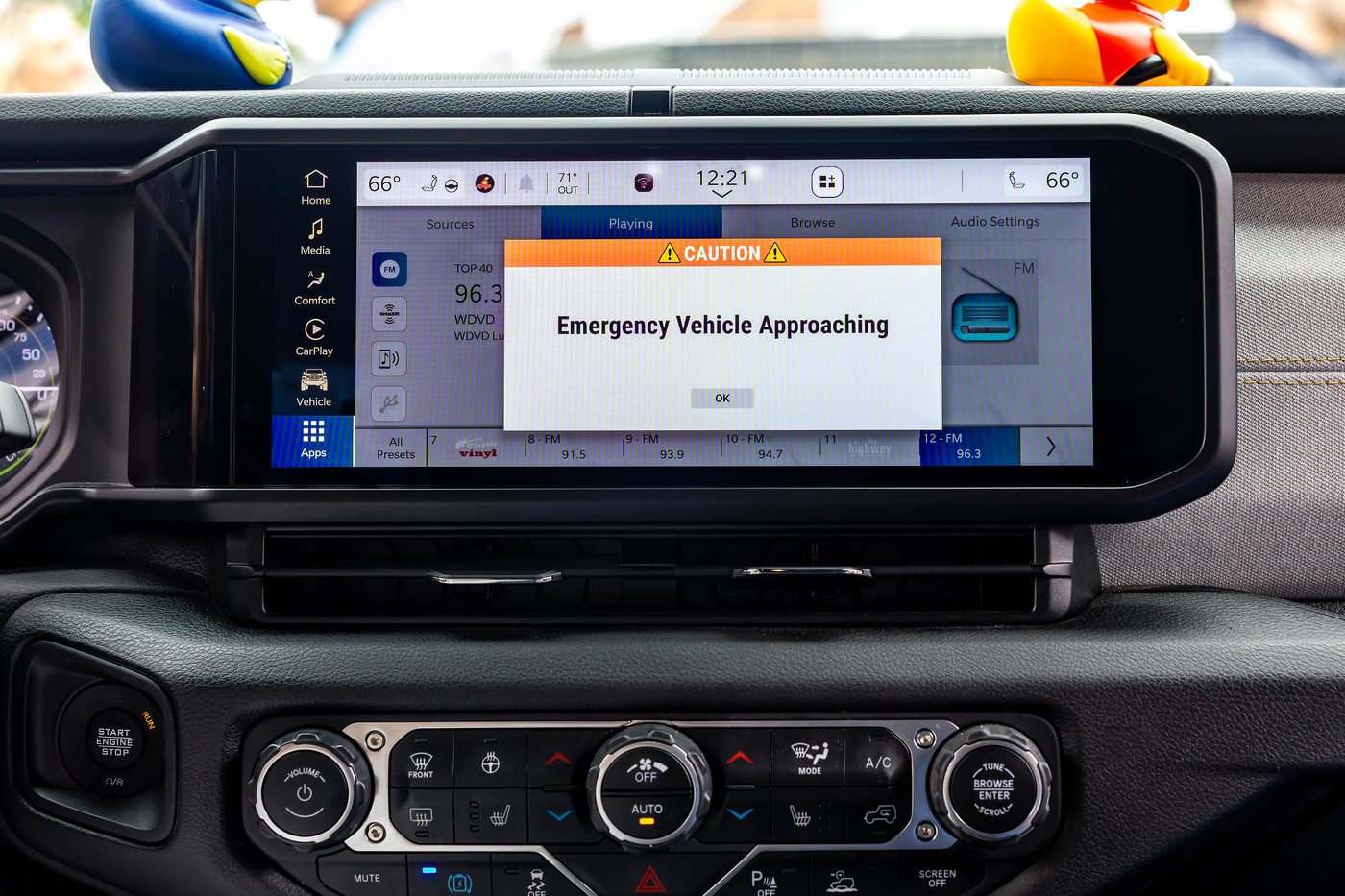 Photo: City of Detroit, CC0, Wikimedia Commons
 Photo: Chris Woodrich (Crisco 1492), CC BY-SA 4.0, Wikimedia Commons
 Photo: Cayambe, CC BY-SA 3.0, Wikimedia Commons
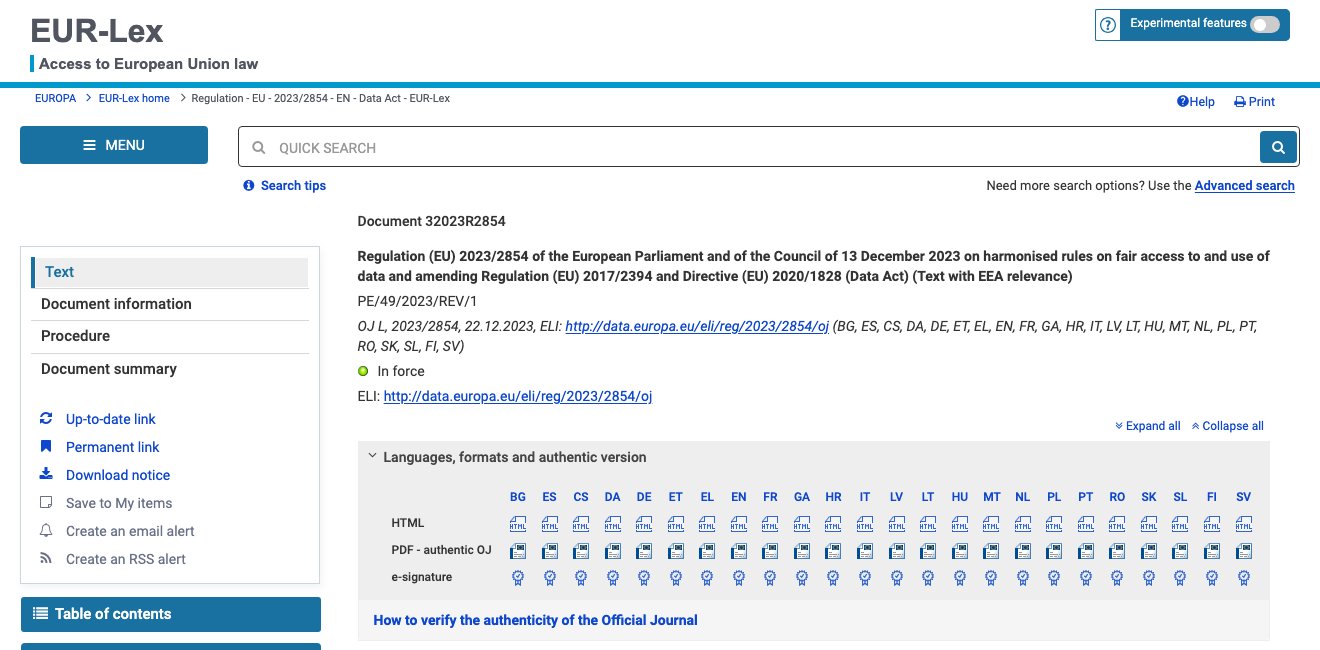 Screenshot of eur-lex.europa.eu, 17 October 2026 · © European Union, reuse authorised (Decision 2011/833/EU)
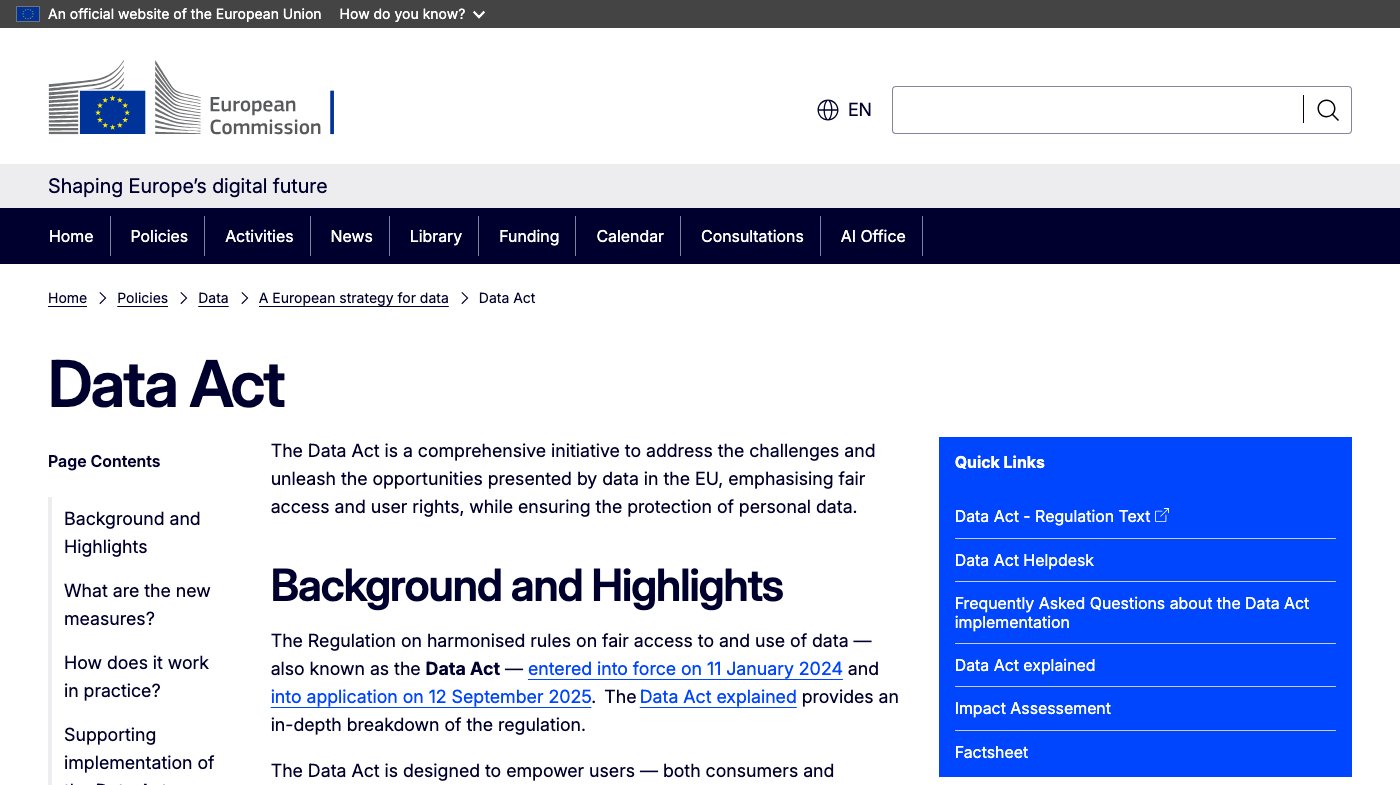 Screenshot of digital-strategy.ec.europa.eu, 17 October 2026 · © European Union, reuse authorised (Decision 2011/833/EU)
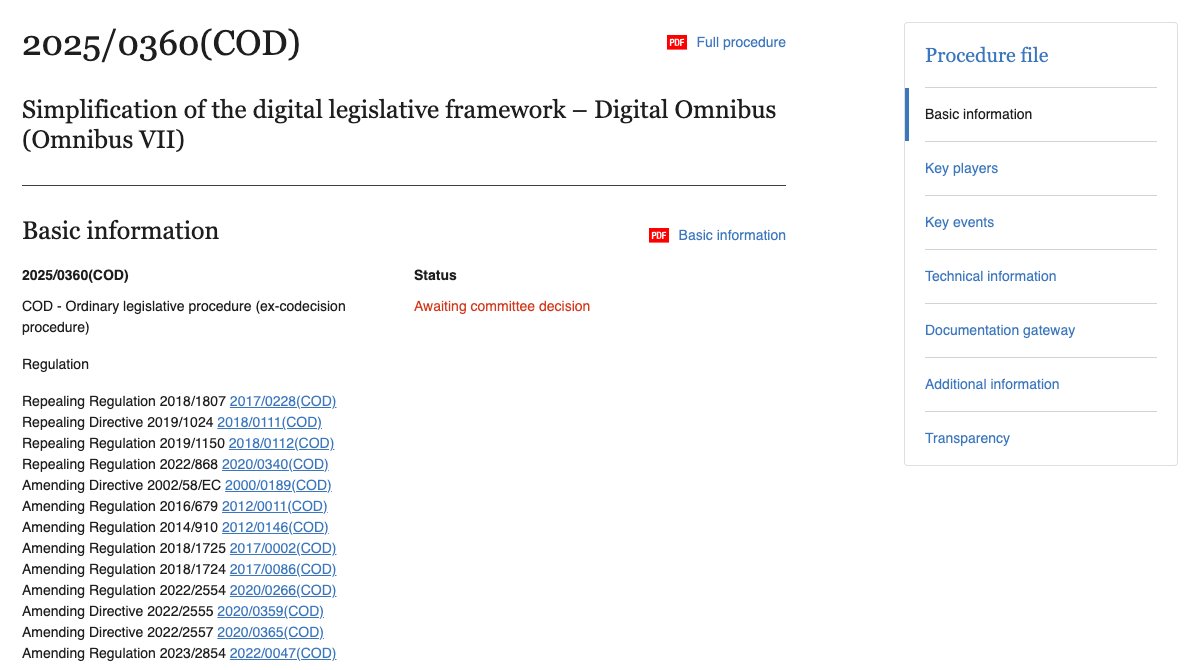 Screenshot of the Legislative Observatory, European Parliament, 17 October 2026 · © European Union
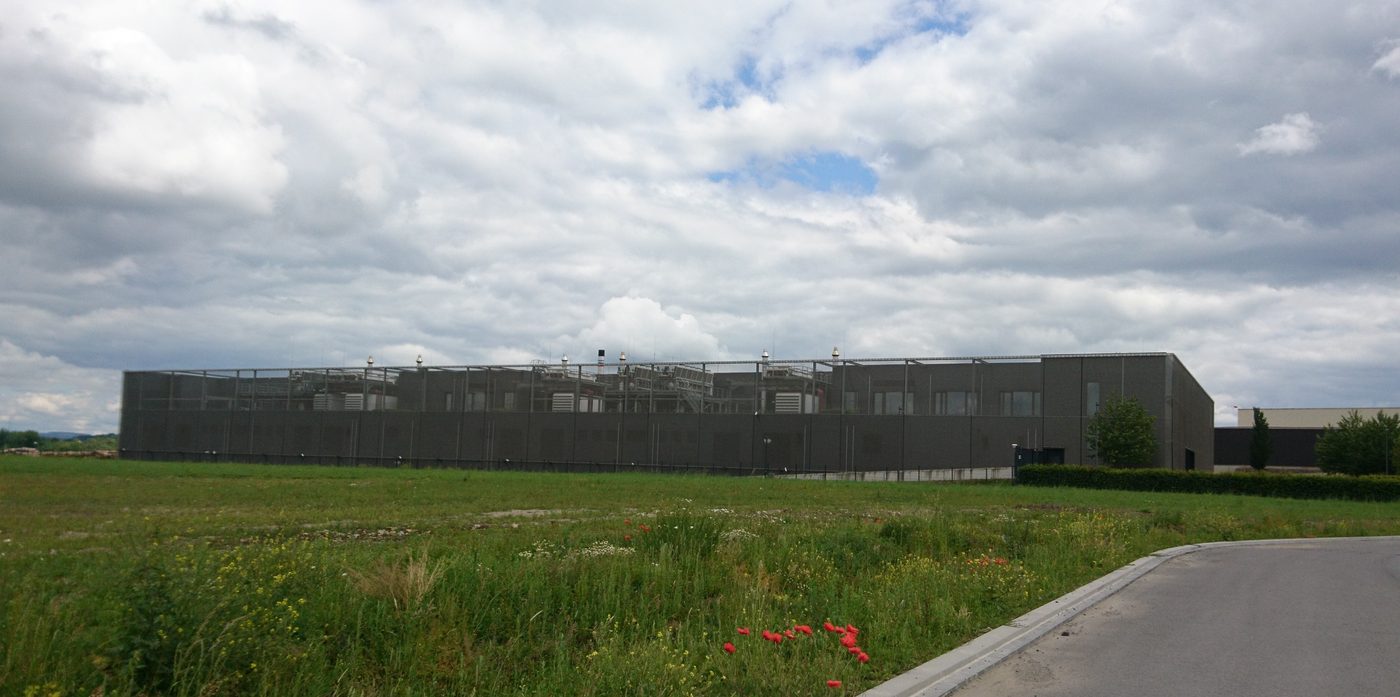 Photo: Andrepaul, CC BY-SA 4.0, Wikimedia Commons
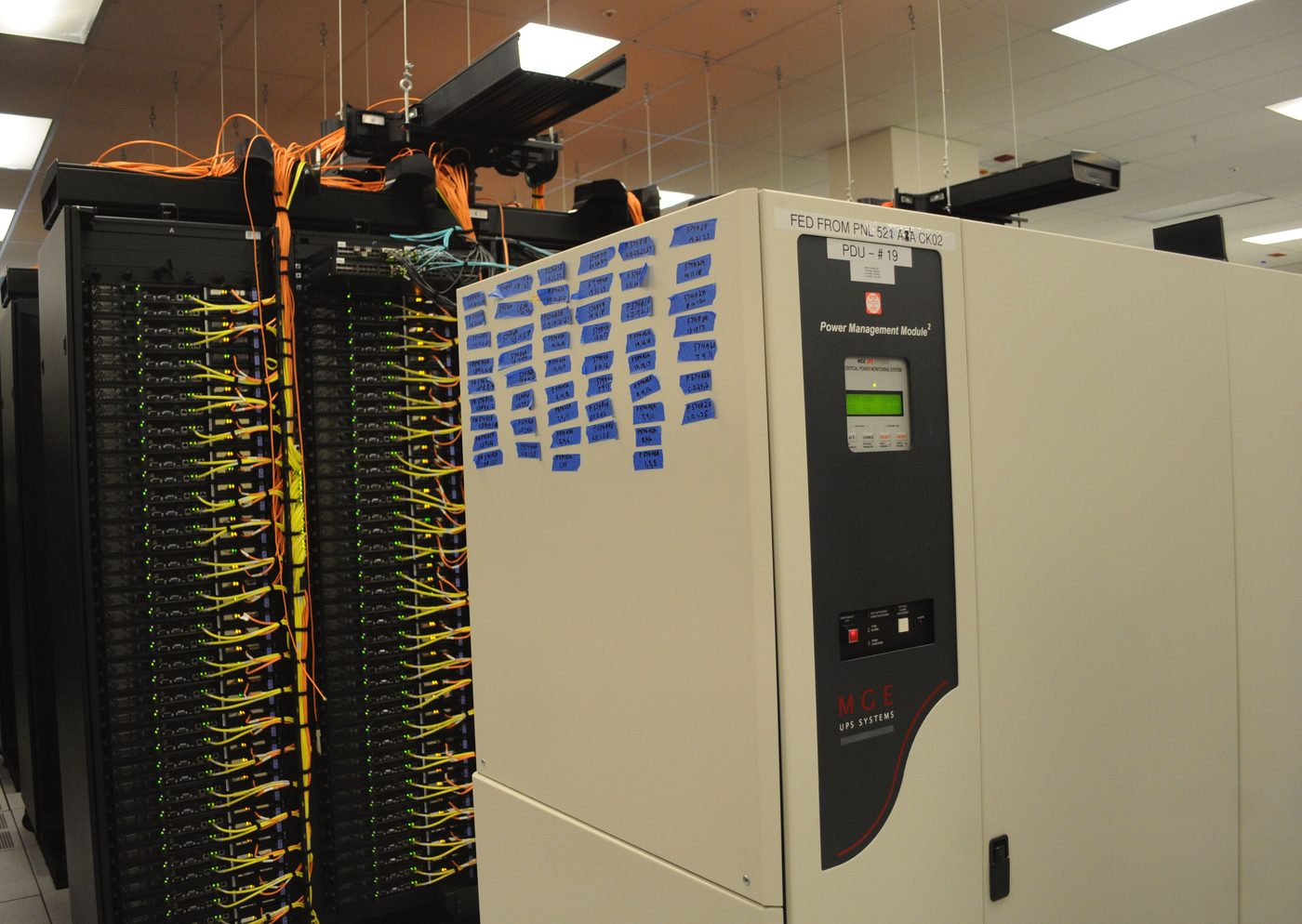 Photo: Derrick Coetzee, CC0, Wikimedia Commons
 Photo: Alexander Klink, CC BY 3.0, Wikimedia Commons
 Photo: Sanzzu, CC BY-SA 4.0, Wikimedia Commons
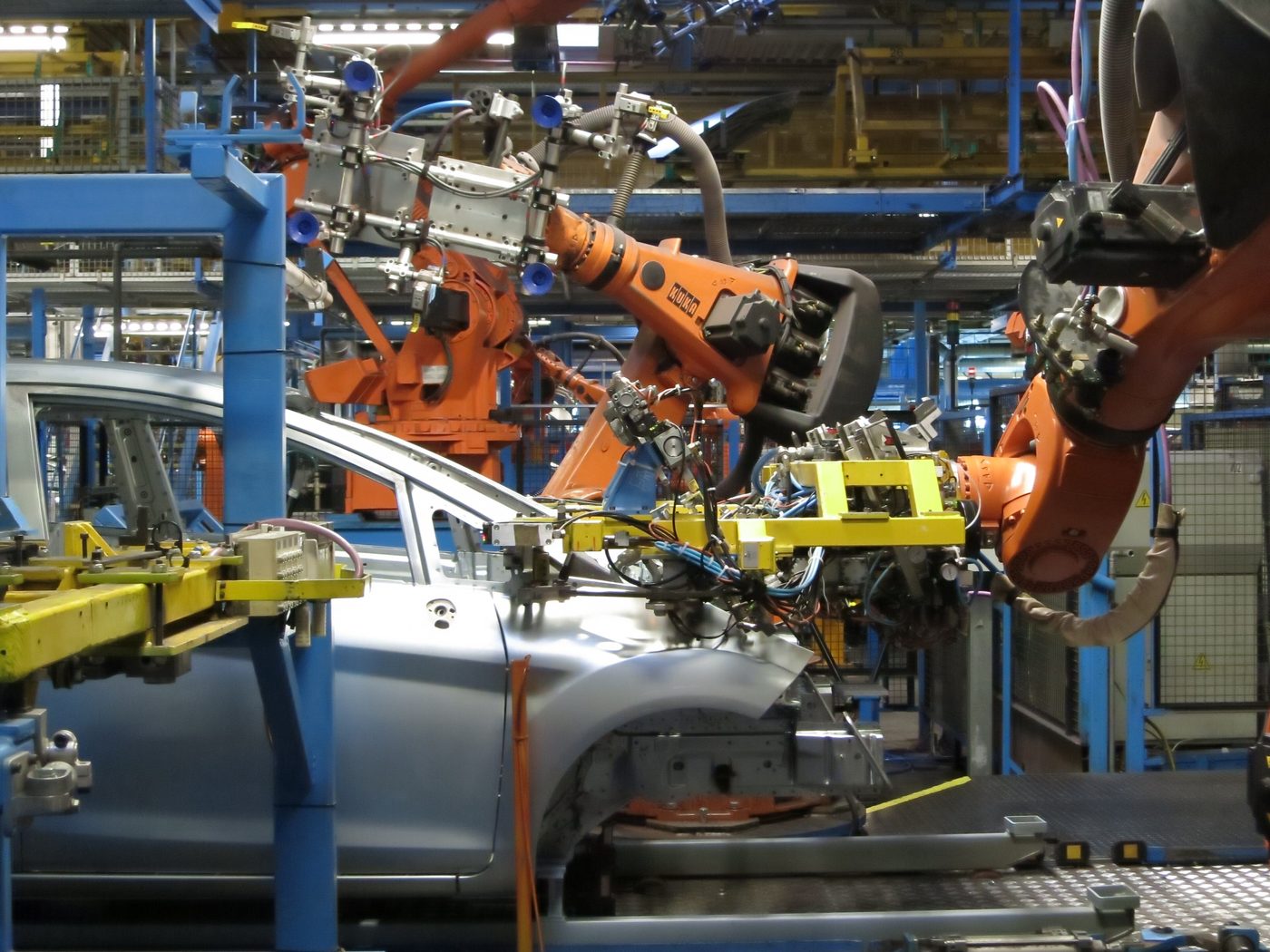 Photo: GillyBerlin, CC BY 2.0, Wikimedia Commons
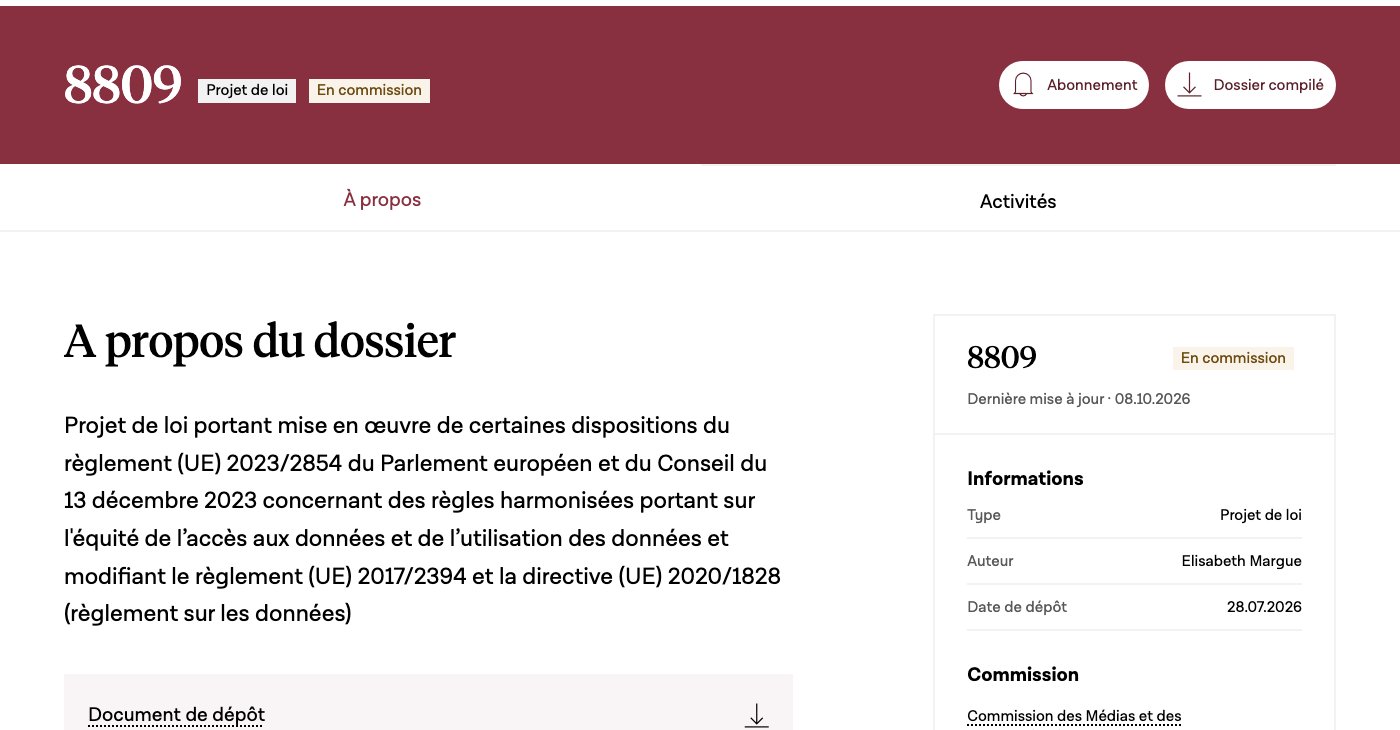 Screenshot of chd.lu, dossier 8809, 17 October 2026 · Chambre des Députés du Grand-Duché de Luxembourg
 Photo: Pigranelle, CC0, Wikimedia Commons